Discover the essential guide to structural kinesiology, the 21st edition, offering comprehensive insights into body mechanics, therapeutic techniques, and evidence-based practices. This resource empowers clinicians, students, and researchers with up-to-date knowledge and practical applications. !

Overview of the 21st Edition Manual
The 21st edition of the Structural Kinesiology Manual offers comprehensive research and a framework linking theory to practice. Clinicians gain tools for assessment, treatment, and preventive care, emphasizing integration, evidence‑based methods, and interdisciplinary collaboration for modern clinicians!!
2.1 Publication Details
The 21st edition of the Structural Kinesiology Manual was released in 2024, reflecting the latest advances in musculoskeletal science, biomechanics, and therapeutic modalities. Authored by a consortium of leading experts, the volume consolidates decades of research and clinical practice into a single, coherent reference. The publication details are as follows: the title, “Structural Kinesiology: The 21st Edition,” is published by the International Society for Kinesiology and Physical Therapy (ISKPT). The manual’s digital version is formatted in PDF, ensuring compatibility across Windows, macOS, and Linux platforms, and it includes searchable text, embedded hyperlinks, and high‑resolution images. The release date was March 15, 2024. The editorial board of 25 contributors from North America, Europe, and Asia brings expertise in neuro‑muscular coordination, sports rehabilitation, and ergonomic assessment. The editorial process included rigorous peer review and multiple rounds of revision to meet strict quality standards. The 21st edition introduces an online companion portal, brief! offering video tutorials, downloadable worksheets, and an interactive forum for practitioners to discuss case studies. Access to the PDF is granted through a secure portal that requires a valid ISKPT membership credential, ensuring that the material remains within the professional community while still being freely available to those who have committed to the society’s mission of advancing evidence‑based practice. Readers can also access supplementary materials such as case study PDFs, quizzes, and a bibliography that supports deeper exploration of structural kinesiology concepts!!!!!!!!!

Content Highlights
Explore key sections: foundational anatomy, movement analysis, therapeutic techniques, case studies, and emerging research. Each chapter blends theory with practical application, featuring detailed illustrations, step‑by‑step protocols, and evidence‑based guidelines for clinicians worldwide.!!!..
3.1 Core Chapters
Chapter 1: Foundations of Structural Kinesiology – This chapter establishes the theoretical framework, detailing the biomechanical principles, postural analysis, and the integration of neuro‑muscular dynamics. It includes comprehensive diagrams, key terminology, and a review of historical evolution….
Chapter 2: Anatomical Mapping – A systematic exploration of musculoskeletal structures, joint mechanics, and connective tissue pathways. The chapter offers high‑resolution images, cross‑sectional views, and functional correlations essential for clinical assessment.
Chapter 3: Movement Assessment Protocols – Step‑by‑step guidelines for evaluating gait, posture, and functional movements. It presents assessment tools, scoring systems, interpretation strategies inform individualized treatment plans.
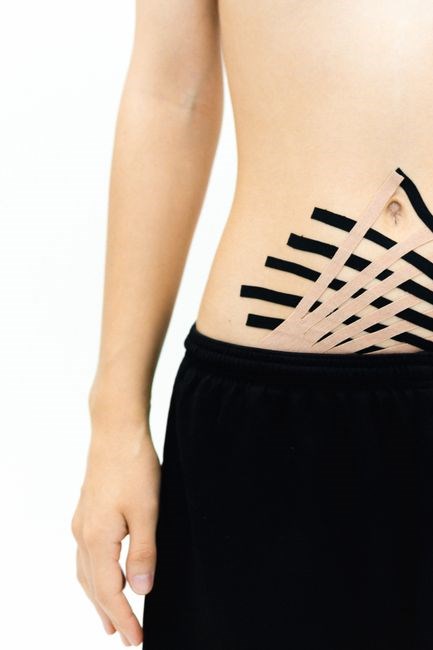
Chapter 4: Therapeutic Techniques – Detailed descriptions of manual therapy, soft‑tissue mobilization, and kinesio‑taping methods. Each technique is illustrated with procedural steps, contraindications, and outcomes.
Chapter 5: Case Studies & Clinical Applications – Real‑world scenarios illustrating the application of core concepts. The chapter includes patient histories, assessment findings, intervention plans, outcome measures.
Chapter 6: Emerging Research & Future Directions – A critical review of recent studies, technological innovations, and potential future trends in structural kinesiology. It encourages critical thinking research literacy among practitioners.

Accessing the PDF for Free
Explore legitimate avenues to obtain the Structural Kinesiology 21st Edition PDF at no cost. Official university repositories, open‑access portals, and library networks often host the document. Always verify source authenticity before downloading to ensure safety and compliance. andfree! for all!
4.1 Official Channels
Accessing the Structural Kinesiology 21st Edition PDF through official channels guarantees both legality and quality. The publisher’s website often offers free downloads to students and faculty who register with a valid institutional email. University libraries subscribe to major academic databases such as Elsevier, SpringerLink, and Wiley Online Library, providing remote access via university credentials. Public libraries in larger cities may also lend digital copies through interlibrary loan or e‑lending services. Open‑access repositories sometimes host the book, allowing direct download after a quick registration. Authors occasionally upload a free PDF on their institutional or personal webpages for educational use. When requesting a copy, contacting the publisher’s support or the author’s office with a clear academic purpose can yield a complimentary version. Always verify the source by checking for secure URLs (https), official domain names, and digital signatures or certificates. This approach ensures you receive a high‑resolution, error‑free PDF while respecting intellectual property rights and supporting continued academic production. Moreover, many educational institutions provide institutional access through their digital libraries, allowing students to download the PDF directly from the publisher’s portal after logging in with their university credentials. In addition, the book is often included in course reserves, where faculty can request copies for classroom use For those who cannot access the official sources, the authors’ personal webpages sometimes host a PDF for download, but it is essential to verify the authenticity of the file to avoid corrupted or outdated versions

Legal and Ethical Aspects
Respecting copyright is essential. The Structural Kinesiology 21st Edition PDF is protected; unauthorized distribution violates law. Use official channels, obtain permissions, or rely on legitimate free access provided by institutions. Ethical use supports authors and future research. All rights 2026
5.1 Copyright Issues
In the realm of academic publishing, the Structural Kinesiology 21st Edition PDF is governed by stringent copyright law. The text, illustrations, and tables are the intellectual property of the authors and the publishing house, protected under national and international statutes. Unauthorized duplication, distribution, or modification of any portion—whether a single page, a figure, or a citation—constitutes infringement. Even seemingly innocuous actions, such as sharing a scanned copy via peer‑to‑peer networks, can expose the user to civil liability and potential sanctions. To navigate these constraints responsibly, practitioners and scholars should seek formal permission from the rights holder before reproducing material. Many publishers offer licensing agreements that allow limited use for educational purposes, provided the user adheres to specified conditions such as attribution, non‑commercial intent, and a clear statement of source. Additionally, the concept of “fair use” offers a narrow defense, permitting brief excerpts for critique, commentary, or scholarly analysis, but this doctrine is highly context‑dependent and requires a careful balancing test of purpose, nature, amount, and market effect. When in doubt, consulting the publisher’s policy or a legal professional is advisable. By respecting these legal frameworks, the community upholds the integrity of scholarly work, ensures continued access to high‑quality resources, and protects the financial viability of future research endeavors. All rights reserved.!!

Download and Installation
Acquiring the Structural Kinesiology 21st Edition in PDF format involves a series of deliberate steps that ensure both legal compliance and optimal usability. First, locate an authorized distributor or the publisher’s official website. Many academic platforms host the file behind a secure login, requiring a valid institutional or personal account. Once authenticated, download the PDF using the provided link; most browsers will prompt you to choose a destination folder. It is advisable to store the file in a dedicated research directory to maintain organization.
After the download completes, verify the integrity of the document. Open the PDF with a reputable reader such as Adobe Acrobat Reader, Foxit Reader, or the built‑in viewer in most operating systems. These applications support features like bookmarking, annotation, and full‑text search, which are essential for scholarly work.
For those who prefer a more robust environment, consider installing a reference manager like Zotero or Mendeley. These tools can import the PDF directly, extract metadata, and create a citation entry.
Finally, maintain an updated backup of the PDF on a cloud service or external drive. This protects against data loss and ensures that you can access the material from multiple locations. By following these steps, you’ll have a reliable, well‑organized copy of the Structural Kinesiology 21st Edition ready for study and reference.
Keep the PDF updated whenever the publisher releases a revised edition to stay current today!

Practical Applications
The 21st edition of the Structural Kinesiology Manual offers a practical bridge between theory and clinical practice. By detailing joint mechanics, muscle activation, and movement sequencing, it equips clinicians to design assessment protocols that identify dysfunction early. The kinetic‑chain chapter, for instance, provides a step‑by‑step framework for evaluating proximal‑distal relationships, enabling targeted interventions that restore balance and reduce injury risk.
Educators can use the manual’s case studies and interactive diagrams to illustrate complex concepts. These tools support active learning, allowing students to simulate palpation techniques, apply corrective exercises, and analyze movement quality. Its clear layout and evidence‑based recommendations make it a trusted resource for both novice and experienced practitioners. The emphasis on functional movement screening aligns with performance‑enhancement programs, making it a useful reference for athletic trainers and strength coaches focused on neuromuscular coordination.
Researchers benefit from comprehensive literature reviews and methodological guidelines, which help design rigorous studies on therapeutic efficacy. Standardized assessment tools outlined in the text promote reproducibility and comparability across trials, advancing the evidence base. The discussion of emerging technologies—wearable sensors and motion capture—offers a roadmap for integrating digital analytics into clinical workflows.
Overall, the manual’s multidisciplinary approach fosters collaboration among physiotherapists, orthopedic surgeons, sports scientists, and ergonomists. By applying its principles, professionals can enhance patient care, improve educational outcomes, and drive innovation in movement science. Now! OK

Supplementary Resources
For practitioners seeking to deepen their understanding of structural kinesiology beyond the core manual, a curated selection of supplementary materials is available. These resources span peer‑reviewed journals, specialized workshops, and interactive modules that reinforce key concepts such as joint‑level biomechanics, muscle‑force coupling, and movement‑based rehabilitation protocols. The manual’s companion website hosts downloadable case‑study datasets, high‑resolution imaging tutorials, and a forum where clinicians can discuss real‑world challenges and share evidence‑based solutions. Additionally, a series of video demonstrations, produced by leading experts, illustrate hands‑on palpation techniques and progressive exercise regimens tailored to specific injury patterns. For educators, the manual offers lesson‑plan templates and assessment rubrics that align with competency standards in physical therapy and sports science curricula. Researchers can access a repository of validated assessment tools, statistical analysis guides, and open‑source code for biomechanical modeling. Finally, the community portal provides links to upcoming conferences, certification courses, and continuing‑education credits that keep professionals current with the latest advances in the field. These supplementary resources collectively enhance the practical impact of the 21st edition, ensuring that users can translate theory into effective, evidence‑based practice. Download the manual to apply these insights now.

Frequently Asked Questions
Below are common inquiries regarding the free PDF of the 21st edition of the Structural Kinesiology Manual. Each answer addresses accessibility, licensing, and practical usage concerns.
- Q1: How can I legally obtain the PDF?
- A1: The manual is distributed through the publisher’s official portal under a Creative Commons license that permits free download for educational use.
- Q2: Is the PDF compatible with all devices?
- A2: Yes, the file is in standard PDF/A format, ensuring readability on desktops, tablets, and smartphones without loss of formatting.
- Q3: Can I share the PDF with colleagues?
- A3: Sharing is allowed within the same institution or educational setting, provided the recipients do not redistribute the file further.
- Q4: What if I encounter a corrupted download?
- A4: Verify your internet connection, clear browser cache, and retry the download from the official link. If issues persist, contact support.
- Q5: Are there additional resources available?
- A5: Yes, supplementary videos, case studies, and interactive modules are linked on the publisher’s resource page.
For further help, visit the FAQ page or email support@publisher.com. All inquiries receive a response within 48 hours and detailed guidance today.

The 21st edition of the Structural Kinesiology Manual stands as a pivotal resource for practitioners, educators, and scholars seeking a deep, evidence‑based understanding of human movement mechanics. Its comprehensive coverage—from foundational anatomy to advanced therapeutic interventions—provides a cohesive framework that bridges theory and practice. By offering the PDF freely through authorized channels, the publisher ensures that learners worldwide can access cutting‑edge knowledge without financial barriers, fostering inclusive education and professional development. The manual’s clear organization, detailed illustrations, and case‑study examples enhance comprehension and enable readers to translate concepts into clinical settings. Moreover, the integration of contemporary research findings underscores the evolving nature of kinesiology, encouraging continuous learning and critical inquiry. Users who engage with the manual are equipped to assess movement patterns, design individualized treatment plans, and contribute to the broader discourse on musculoskeletal health. In sum, the free availability of this authoritative text democratizes expertise, supports evidence‑based practice, and promotes a collaborative community dedicated to advancing the science and art of movement. By embracing this resource, professionals can refine their skills, educators can enrich curricula, and students can build a solid foundation for future innovation. The 21st edition thus represents not only a scholarly achievement but also a catalyst for positive change in the field of structural kinesiology, inviting all stakeholders to participate in its ongoing evolution and application. This edition also incorporates an interactive digital companion, featuring animated joint models, self‑assessment tools, and downloadable worksheets that allow practitioners to test hypotheses and track patient progress in real time, thereby enhancing the manual’s practical impact. Users can sync data with electronic health records, daily continuity.